Skip to content
Physics with Mr Shone
Search
Primary Menu
Home
Topical Revision Quizzes
Past Paper MCQ Quizzes
Worked Examples
School Past Papers
Sec 3 Papers
2016 S3 EOY P1
2016 S3 MY P1
2015 S3 EOY P1
2015 S3 MY P1
2014 S3 EOY P1
2014 S3 MY P1
2014 S3 MY P2
2013 S3 EOY P1
Sec 4 Papers
2013 S4 EOY P1
2013 S4 EOY P2
2012 S4 EOY P1
2012 S4 EOY P2
2011 S4 EOY P1
2011 S4 EOY P2
2010 S4 EOY P1
2010 S4 EOY P2
Extras
Special Symbols
Escape Velocity
Physics of Photography
Physics of Music
Search for:
Category Archives: 2011 S4 EOY P2
2011 S4 EOY P2
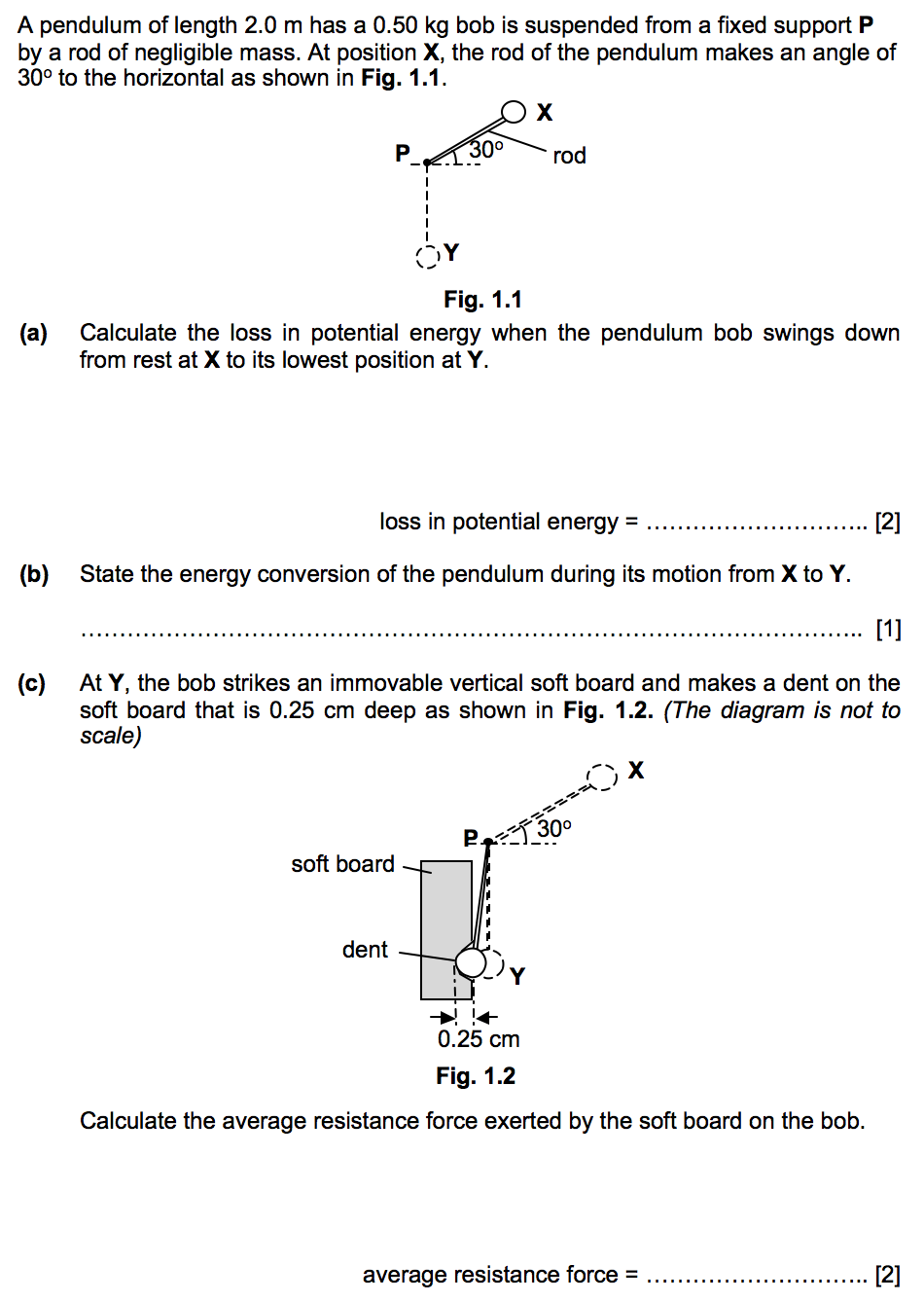
2011 S4 EOY P2 Q01
September 18, 2014
Mr Shone
Leave a comment
2011 S4 EOY P2
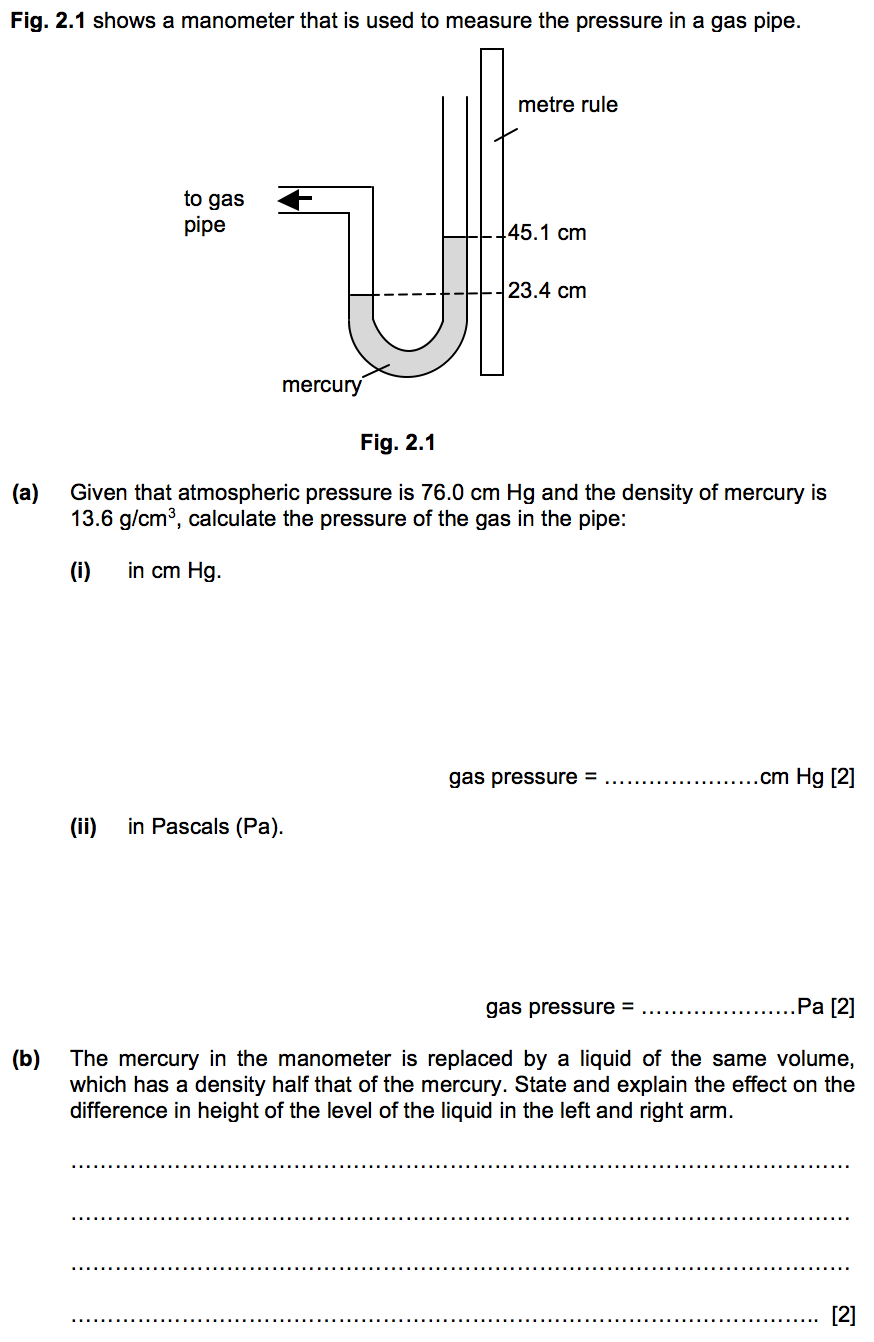
2011 S4 EOY P2 Q02
September 18, 2014
Mr Shone
Leave a comment
2011 S4 EOY P2
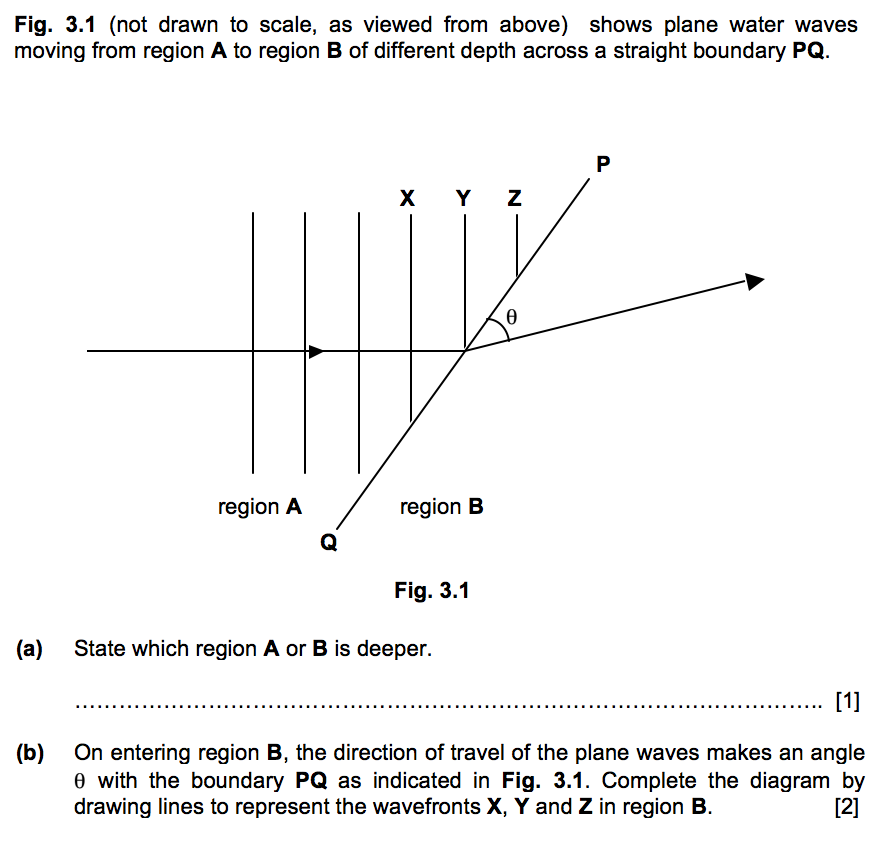
2011 S4 EOY P2 Q03
September 18, 2014
Mr Shone
Leave a comment
2011 S4 EOY P2
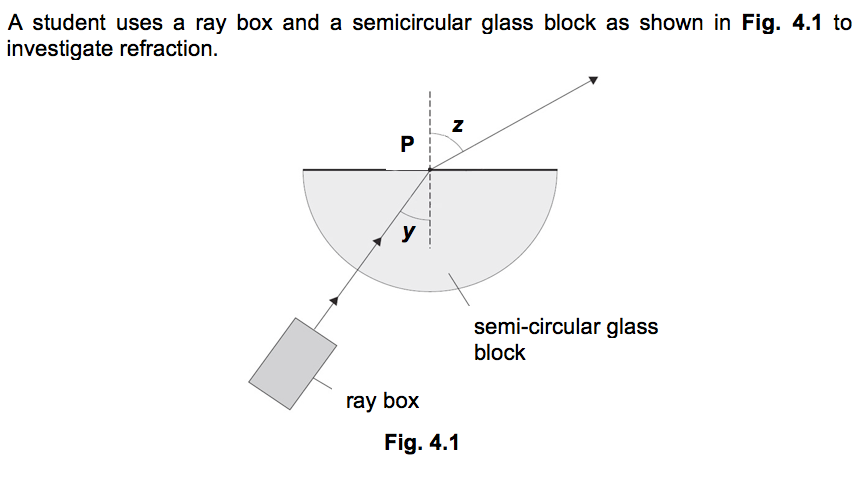
2011 S4 EOY P2 Q04
September 18, 2014
Mr Shone
Leave a comment
2011 S4 EOY P2
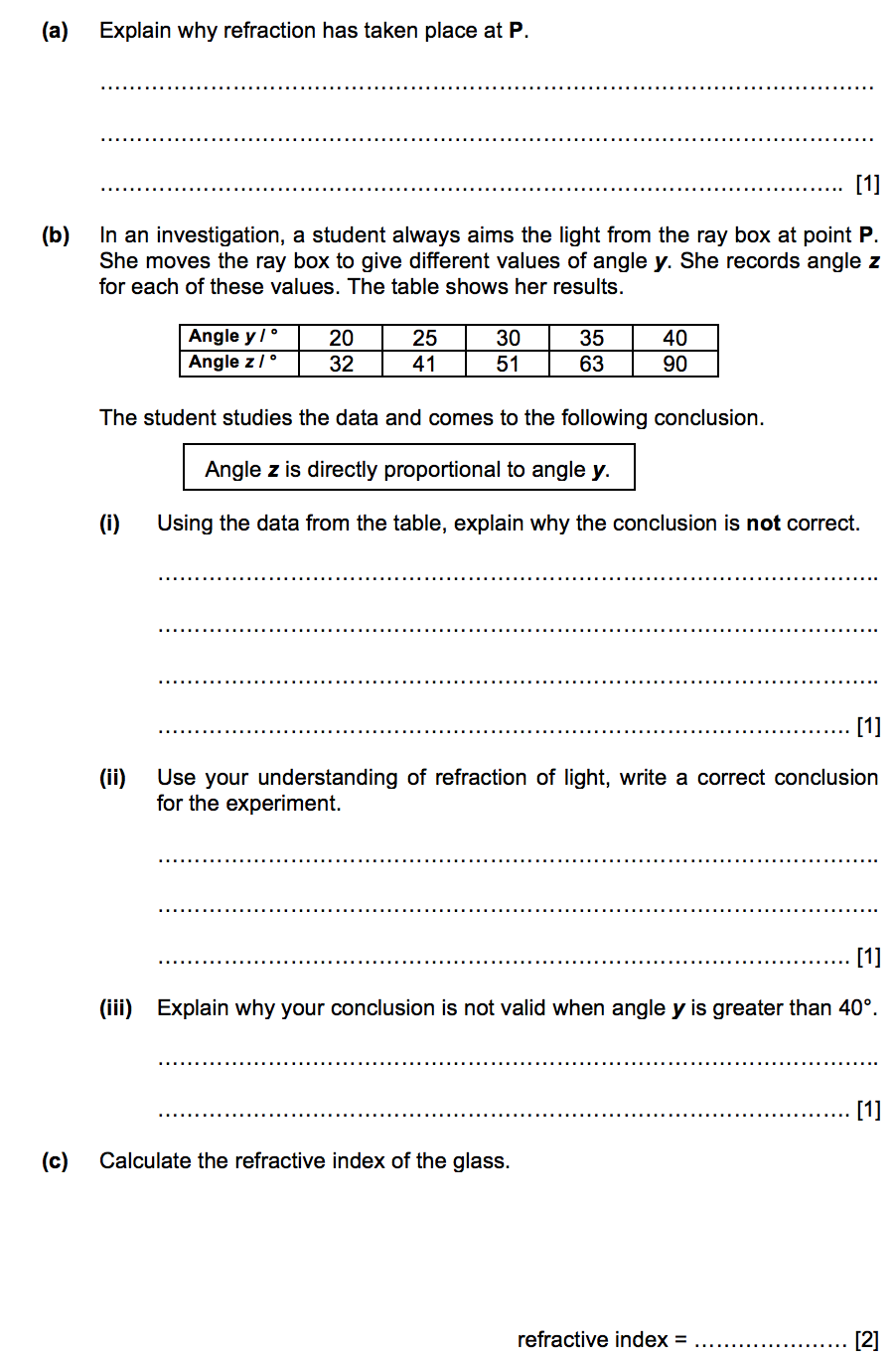
2011 S4 EOY P2 Q05
September 18, 2014
Mr Shone
Leave a comment
2011 S4 EOY P2
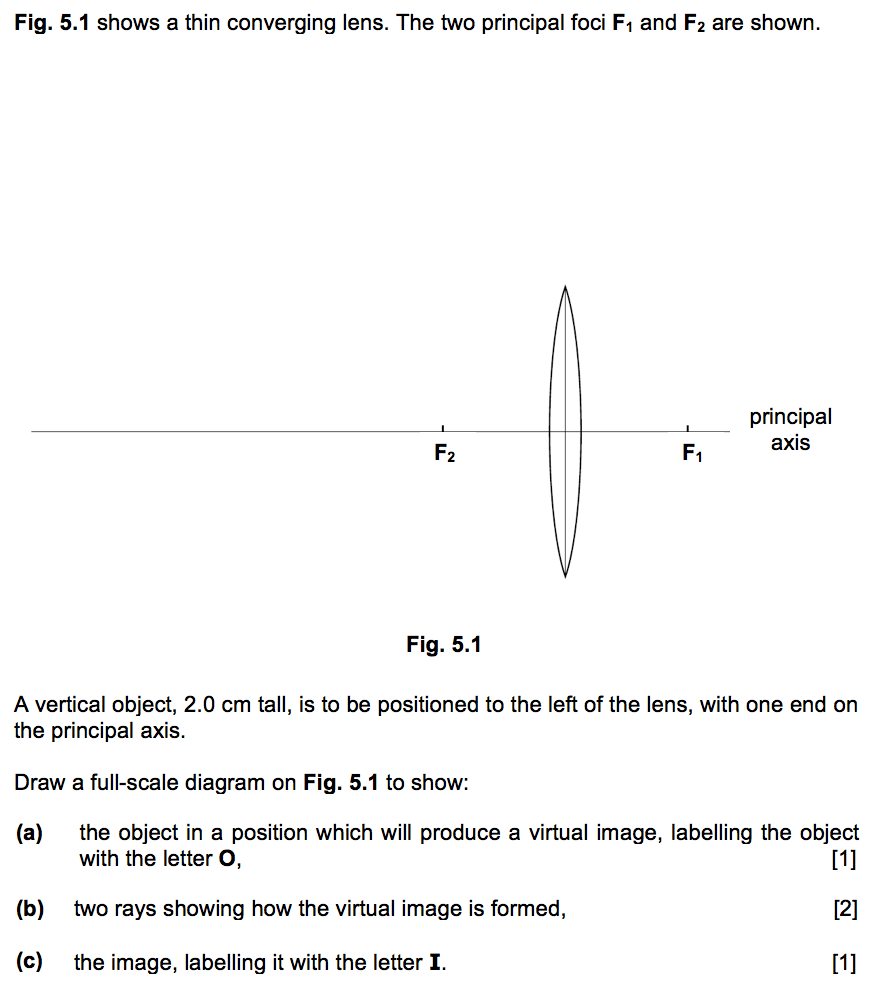
2011 S4 EOY P2 Q06
September 18, 2014
Mr Shone
Leave a comment
2011 S4 EOY P2
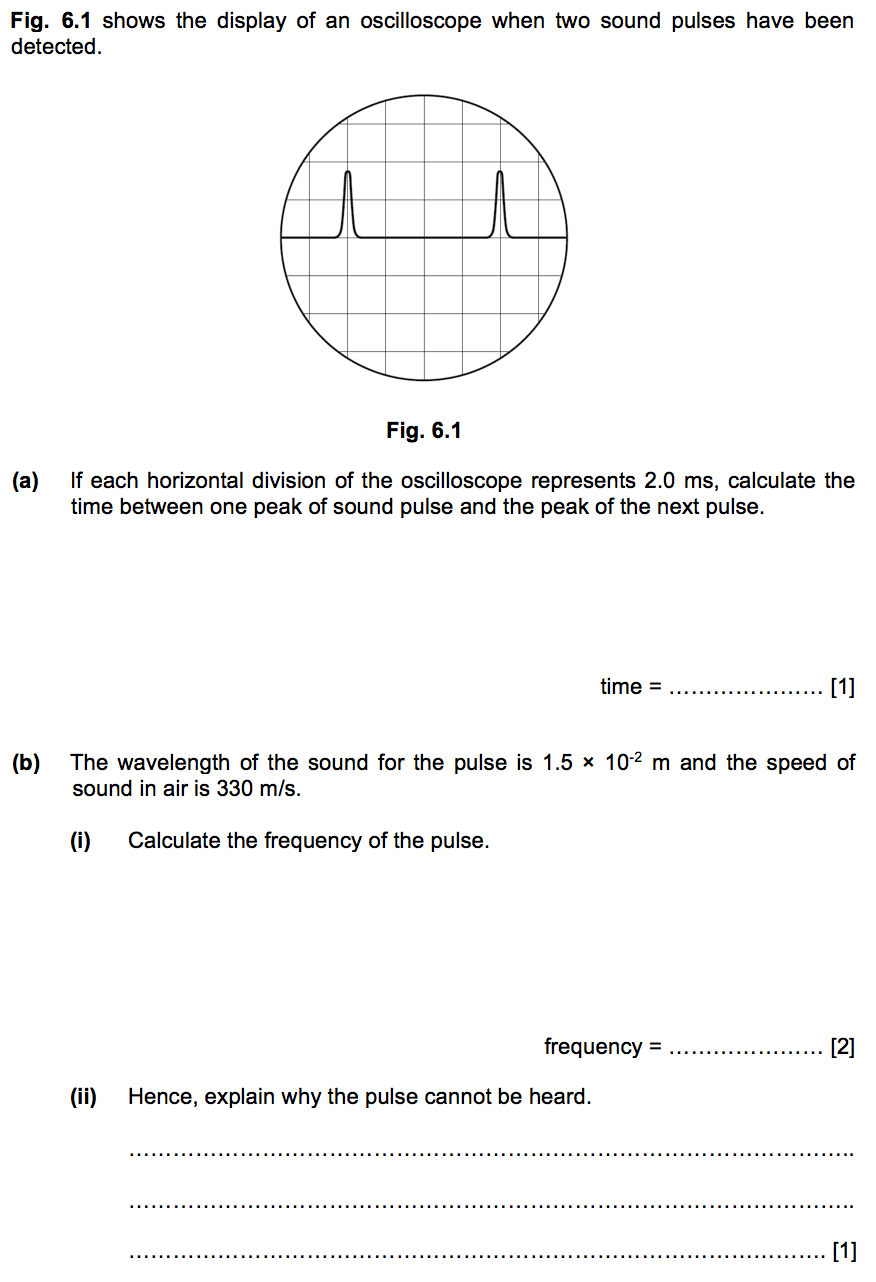
2011 S4 EOY P2 Q07
September 18, 2014
Mr Shone
Leave a comment
2011 S4 EOY P2
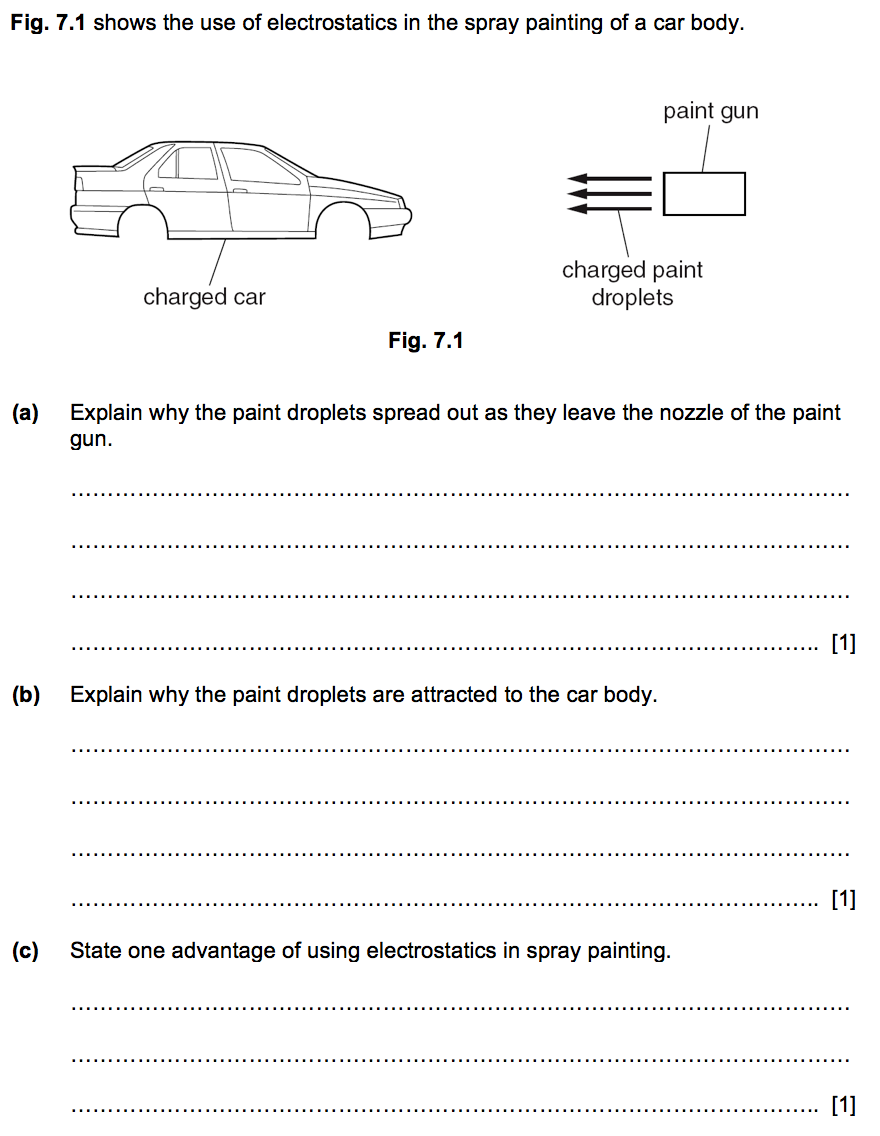
2011 S4 EOY P2 Q08
September 18, 2014
Mr Shone
Leave a comment
2011 S4 EOY P2
2011 S4 EOY P2 Q09
September 18, 2014
Mr Shone
Leave a comment
2011 S4 EOY P2
2011 S4 EOY P2 Q10
September 18, 2014
Mr Shone
Leave a comment
2011 S4 EOY P2
2011 S4 EOY P2 Q11
September 18, 2014
Mr Shone
Leave a comment
2011 S4 EOY P2
2011 S4 EOY P2 Q12 EITHER
September 18, 2014
Mr Shone
Leave a comment
2011 S4 EOY P2
2011 S4 EOY P2 Q12 OR
September 18, 2014
Mr Shone
Leave a comment
2026 Physics Lessons
PR – Practical Skills
0 – Basics
0.1 – Readings & Measurements
0.2 – Precision
0.3 – Accuracy
0.4.1 – Implied Values
0.4.2 – Significant Figures
0.4.3 – Decimal Places
0.4.4 – Standard Form
0.5 – Calculations
0.6 – Tables
0.7 – Plotting Graphs
0.8 – Experimental Errors
0.9.1 – Precautions
0.9.2 – Examples of Precautions to Improve Accuracy
0.9.3 – Examples of Precautions to Improve Safety
0.10 – Conversion of Units
0.11.1 – Using Your Calculator
0.11.2 – Data Analysis*
1 – Measurement
1.1 – Physical Quantities & Units
1.2 – Measuring Length
1.2.1 – Rulers & Tape Measures
1.2.2 – Callipers
1.2.3 – Micrometer Screw Gauge
1.3 – Measuring Time
1.3.1 – Stopwatch
1.3.2 – Pendulum
1.4 – Measuring Angles
1.5 – Measuring Mass
1.6 – Measuring Density
2A – Optics: Reflection
2A.0 – Properties of Light
2A.1 – Reflection
2A.2.1 – Properties of Plane Mirror Images
2A.2.2 – Locating Images
2A.3 – The Laws of Reflection
2A.4 – Angle of Deviation
2.5A – Ray Diagrams
2A.5.1 – Cone of Light
2A.5.2 – Reflection of Large Objects
2A.5.3 – Multiple Mirrors
2A.6.1 – Your Own Image
2A.6.2 – Periscope
2B – Optics: Refraction
2B.1 – Introduction to Refraction
2B.2 – The Laws of Refraction
2B.3 – Snell’s Law
2B.4 – Partial Reflections
2B.5 – Critical Angle
2B.6 – Total Internal Reflection
2B.7 – Optical Illusions Due to Refraction
2B.8 – Optical Fibres
2C – Optics: Lenses
2C.1 – Types of Lens
2C.2 – Lens Terminology
2C.3 – Light Passing Through A Lens
2C.4 – Formation Of Images
2C.5 – Solving Lens Problems
2C.6 – Describing Images
2C.7 – Lens Applications
2C.8 – Lens Formula
2C.9 – Human Eye
3 – Kinematics
3.1 – Scalars & Vectors
3.2.1 – Distance
3.2.2 – Displacement
3.3.1 – Speed
3.3.2 – Velocity
3.4 – Acceleration
3.5.1 – Data Table Questions
3.5.2 – Ticker Tape Timer
3.6 – Displacement-Time Graph
3.7 – Velocity-Time Graph
3.8 – Free-Fall
3.9 – Equations of Motion
3.10.1 – Projectile Motion*
4 – Forces & Dynamics
4.1 – Types of Force
4.1.1 – Gravitational Force (Weight)
4.1.2 – Friction
4.1.3 – Air Resistance
4.1.4 – Tension
4.1.5 – Normal Contact Force
4.1.6 – Thrust
4.1.7 – Lift
4.1.8 – Upthrust
4.2 – Free-body Diagram
4.2.1 – Free Body Diagrams: Challenging Examples
4.3 – Balanced & Unbalanced Forces
4.4 – Newton’s First Law
4.5 – Newton’s Second Law
4.5.1 – Terminal Velocity
4.6 – Newton’s Third Law
4.7 – Vector Addition
4.8 – Vector Resolution
4.9 – Circular Motion*
4.10 – Gravitational Fields*
4.11 – Linear Momentum*
5 – Turning Effects
5.1 – Moment of a Force
5.2 – Principle of Moments
5.3 – Centre of Gravity
5.4 – Types of Equilibrium
5.5 – Stability
6 – Work, Energy, Power & Efficiency
6.1 – Energy
6.2 – Principle of Conservation of Energy
6.3 – Work
6.4 – Power
6.5 – Efficiency
6.6 – Renewable and Non-renewable energy
7 – Pressure
7.1 – Pressure
7.2.1 – Hydraulic Systems
7.2.2 – Hydrostatic Pressure
7.3.1 – Atmospheric Pressure
7.3.2 – Barometers
7.3.3 – Manometers
7.4 – Boyle’s Law
7.5 – Ideal Gas Law*
8 – Thermal Physics
8.1 – Temperature
8.2 – Kinetic Model of Matter
8.3 – Transfer of Thermal Energy
8.4 – Internal Energy of a System
8.5 – Heat Capacity & Specific Heat Capacity
8.6 – Latent Heat & Specific Latent Heat
8.7 – Evaporation & Boiling
8.8 – Heating Curves & Cooling Curves
9 – Waves & Sound
9.1.1 – Wave Motion
9.1.2 – Wave Terminology
9.1.3 – The Wave Equation
9.2 – Motion of Waves & Particles
9.3.1 – Reflection of Plane Waves
9.3.2 – Refraction of Plane Waves
9.4.1 – Sound
9.4.2 – Production & Transmission of Sound Waves
9.4.3 – Vibrations in a Sound Wave
9.5 – Properties of Sound Waves
9.6 – Speed of Sound
9.7 – Ultrasound & Infrasound
9.8 – Superposition of Waves*
9.9.1 – Stationary vs Progressive Waves*
9.9.2 – Stationary Waves in Stretched Strings*
9.9.3 – Stationary Waves in Open Pipes*
9.9.4 – Stationary Waves in Closed Pipes*
Appendix A – Reading Oscilloscopes
10 – Electromagnetic Waves
11 – Electrostatics
11.1 – Electrostatics
11.2.1 – Insulators
11.2.2 – Conductors
11.3 – Electric Fields
11.4 – Applications of Electrostatics
11.5 – Coulomb’s Law (Adv)
11.6 – Motion of Charged Particles in Uniform Electric Fields (Adv)
12 – Current of Electricity
12.1 – Charge & Electric Current
12.2.1 – Electromotive Force
12.2.2 – Potential Difference
12.2.3 – Electric Potential*
12.3.1 – Resistance
12.3.2 – Measuring Resistance
12.3.3 – Ohm’s Law
12.4 – Using A Multimeter
13 – D.C. Circuits
13.1 – Circuits
13.2.1 – Series Circuits
13.2.2 – Parallel Circuits
13.2.3 – Circuits with Series & Parallel Components
13.3 – Potential Divider Circuit
13.4.1 – Filament Lamp
13.4.2 – Thermistor
13.4.3 – Light-Dependent Resistor
13.4.4 – Diode
14 – Practical Electricity
14.1 – Sources of Electrical Energy
14.2 – Electrical Power
14.3 – Electrical Energy
14.4.1 – Mains Electricity
14.4.2 – Mains Wiring
14.4.3 – Dangers of Mains Electricity
14.5.1 – Switches
14.5.2 – Fuses
14.5.3 – Earthing
14.5.4 – Plugs & Sockets
14.5.5 – Circuit Breakers
14.5.6 – Double Insulation
15 – Magnetism
15.1 – Law of Magnetism
15.2 – Properties of Magnetic Materials
15.3 – Magnetisation & Demagnetisation
15.4 – Magnetic Fields
15.5 – Magnetic Shielding
15.6 – Applications of Magnets
16 – Electromagnetism
16.1 – Magnetic Effect of a Current
16.2 – Applications of the Magnetic Effect of a Current
16.3 – Force on a Current-Carrying Conductor
16.4 – Force on a Moving Charged Particle
16.5 – Forces between two parallel wires carrying current
16.6 – The D.C. Motor
16.7 – Electromagnetism – Advanced Topics*
17 – Electromagnetic Induction
17.1 – Electromagnetic Induction
17.2 – The A.C. Generator
17.3.1 – Mutual Induction
17.3.2 – The Transformer
17.3.3 – Power Transmission
18 – Radioactivity
18.1 – Structure of the Atom
18.2 – Nuclear Decay
18.3 – Measuring Ionising Radiation
18.4 – Half-life
18.5 – Background Radiation
18.6.1 – Nuclear Fission
18.6.2 – Nuclear Fusion
18.7 – Applications of Radioactivity
18.8 – Hazards of Radioactivity
18.9 – Advanced Physics Extension*
Extra Notes
Extra Notes
Alternative Notes