Reflections in Two Mirrors
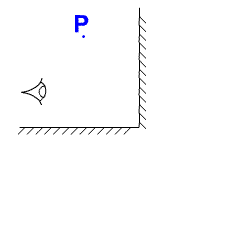
A point P is reflected in 2 mirrors placed at 90° to each other as shown above.
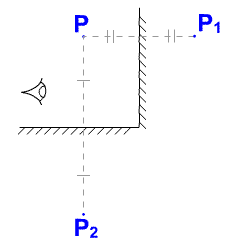
2 of the reflected images are obvious – the single reflections in Mirror 1 and Mirror 2.
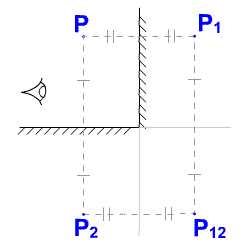
The third reflected image is produced by the light being reflected off of the 2 mirrors. It can be thought of as a reflection of a reflection.
Viewing P1
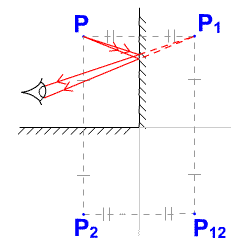
The light cone of real and virtual rays showing the formation of image P1.
Viewing P2
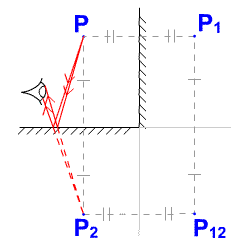
The light cone of real and virtual rays showing the formation of image P2.
Viewing P12
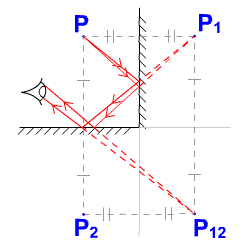
The light cone of real and virtual rays showing the double reflection of the light and the formation of image P12
Note if the position of the eye is moved then light may reflect off of the horizontal mirror first and then off of the vertical mirror before entering the eye.
Photographs of images formed by two mirrors
The following shows 3 images (and the original object):
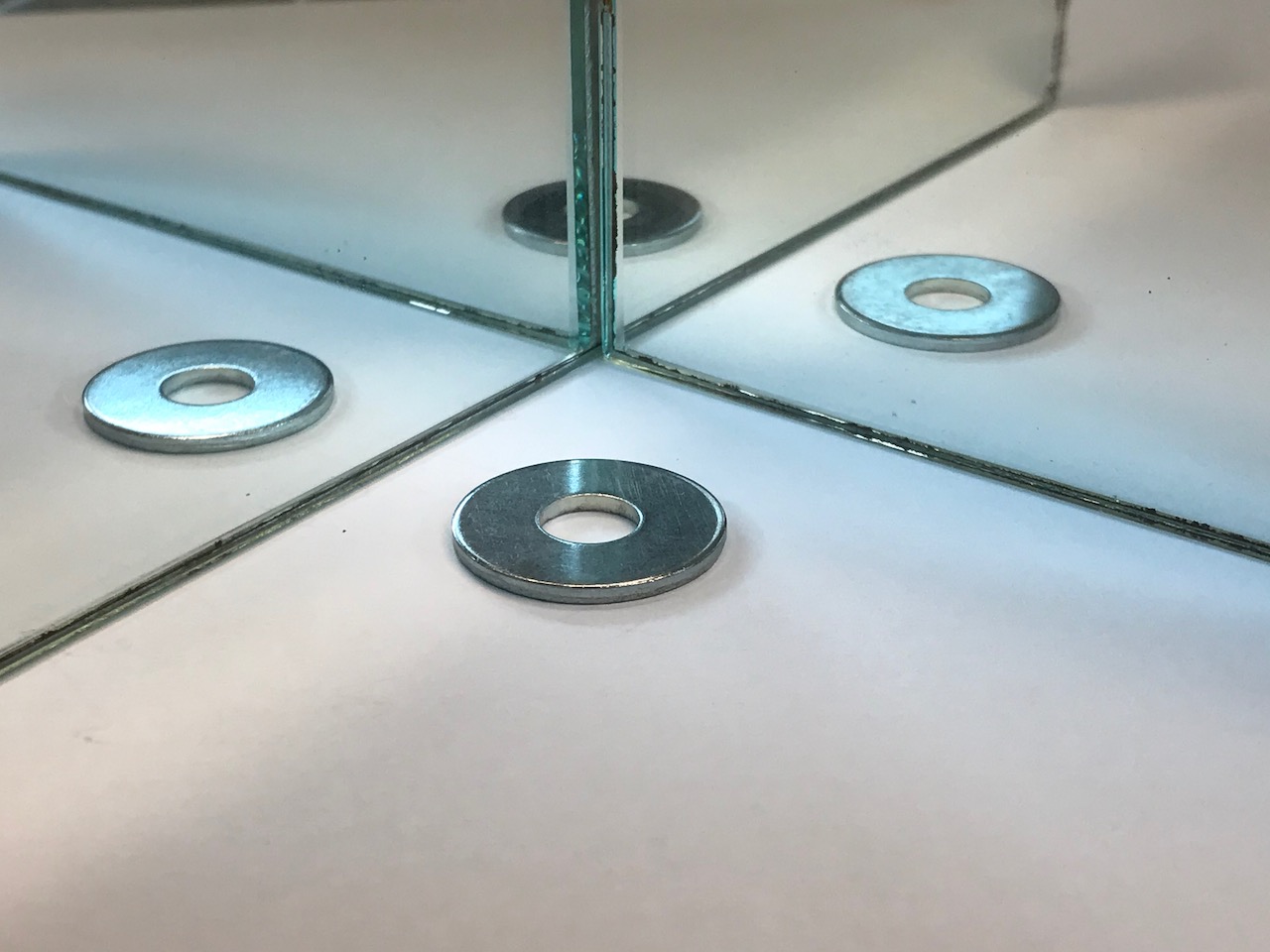 Here (as in the example at the top of this page) the mirrors are placed at 90° to each other.
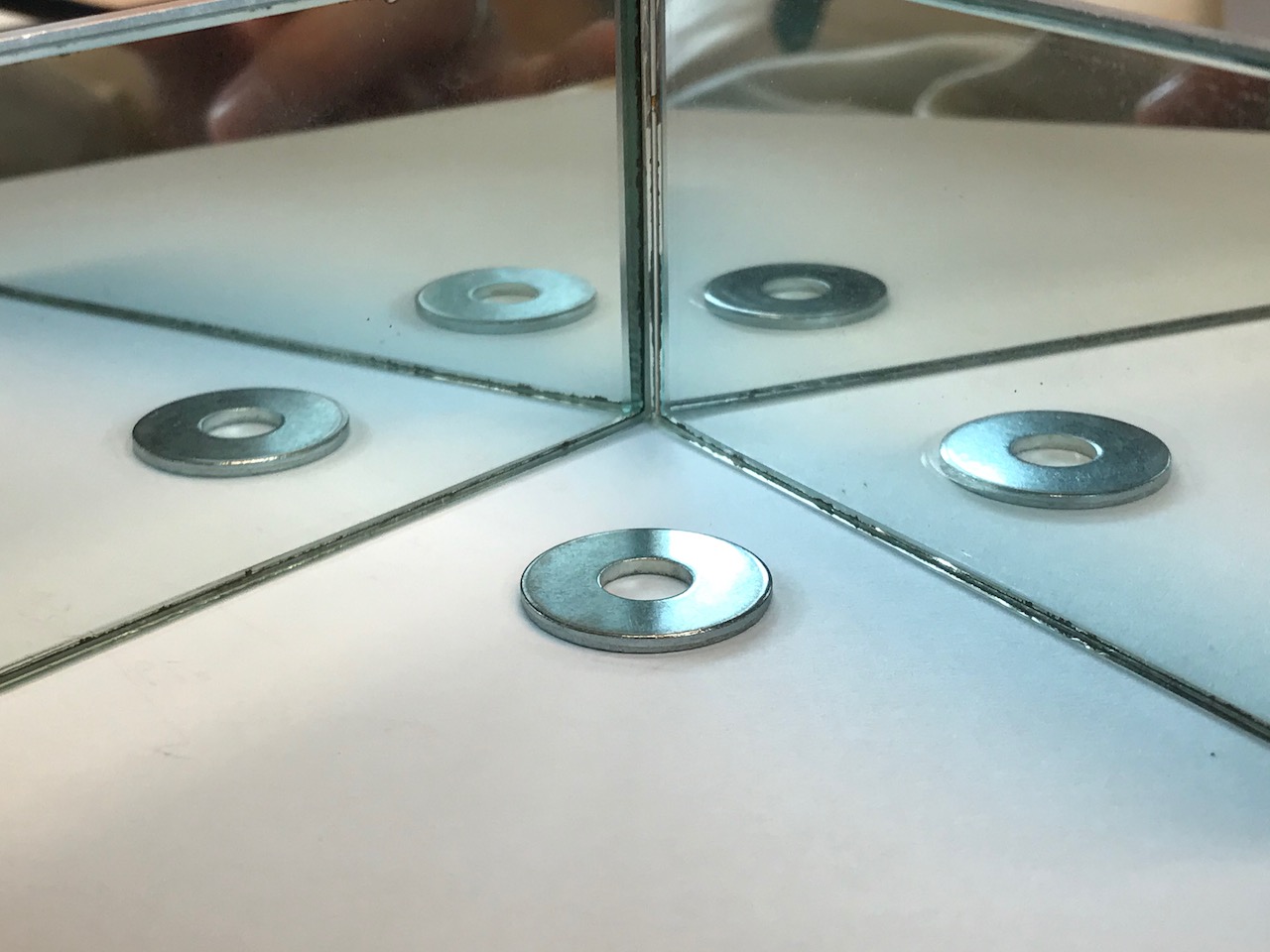 When the angle between the mirrors is decreased we see a greater number of images.
 Such as here where there are more than 12 images of the one coin. This effect is used in the children’s toy of a kaleidoscope.
You could investigate how the number of images formed is dependent upon the angle between the two mirrors.
If the mirrors are placed parallel to each other then there will be an infinite row of images formed.
 Here the mirrors are (almost) parallel to each other producing a row of images that seems to stretch on forever. You may have seen this effect whilst standing in a lift with mirrors on two opposite walls.
| << Back | Reflection | Next >> |