We have now moved to using Digital Callipers
| Spelling: Calipers vs Callipers |
|---|
| I generally spell it “Callipers”, which is the traditional British English spelling. However, “Calipers” is also frequently used, and is the American English spelling. |
Whilst a ruler can measure to 0.1 cm (1 mm) the callipers can measure to 0.01 cm (0.1 mm) or better. i.e the reading of the vernier callipers is more precise than that of a ruler (this is seen by the extra significant figure in the reading).
Digital callipers can usually measure objects up to 15 cm in length. For longer lengths, the uncertainty due to thermal expansion of the scales would be bigger than the uncertainty of the reading shown on the digital calliper.
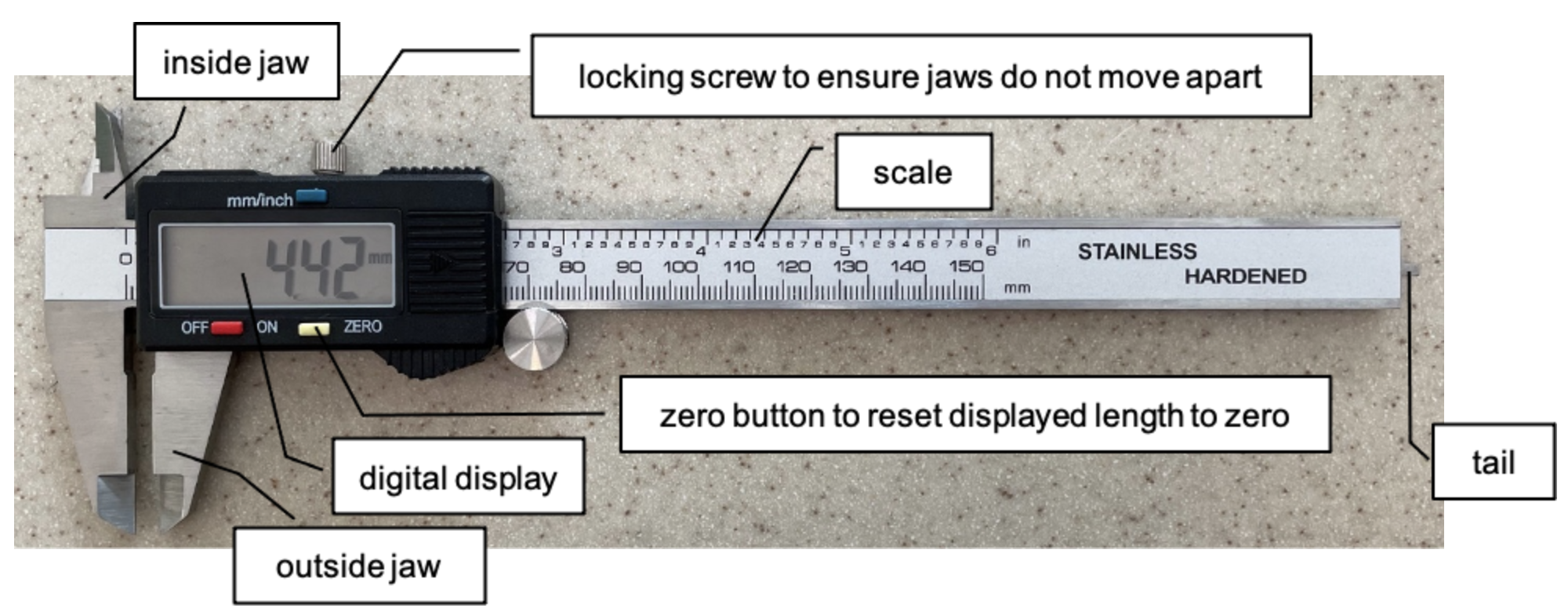
Precision: 0.1 mm or 0.01 cm
(record to 1 less d.p. than the digital display, to account for other significant source of error, e.g. over tightening jaws, thermal expansion with change in temperature)
Measuring range: 0.00 cm to 15.00 cm
| Part of digital calliper | Use | Example |
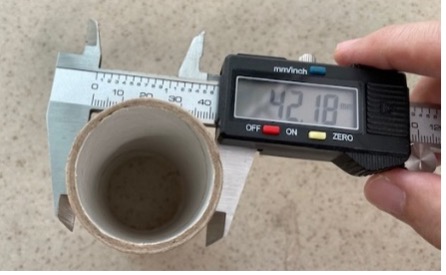
| Outside Jaw |
To measure external diameter or width of an object
Reading: 4.22 mm
|
 |
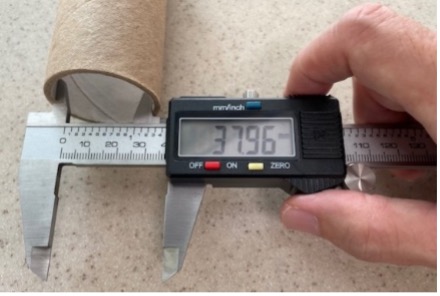
| Inside Jaw |
To measure internal diameter of an object
Reading: 3.80 mm
|
 |
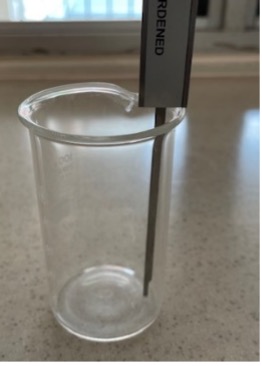
| Tail |
To measure depth of an object
|
 |
| Vernier Callipers (OLD NOTES) | ||||||
|---|---|---|---|---|---|---|
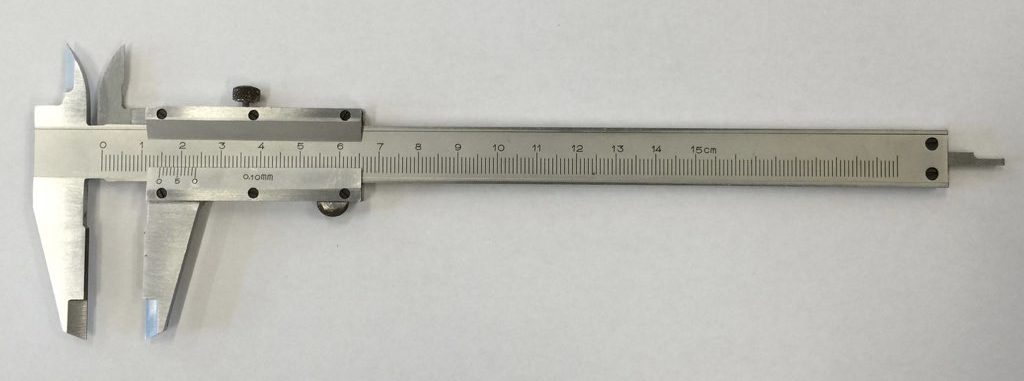
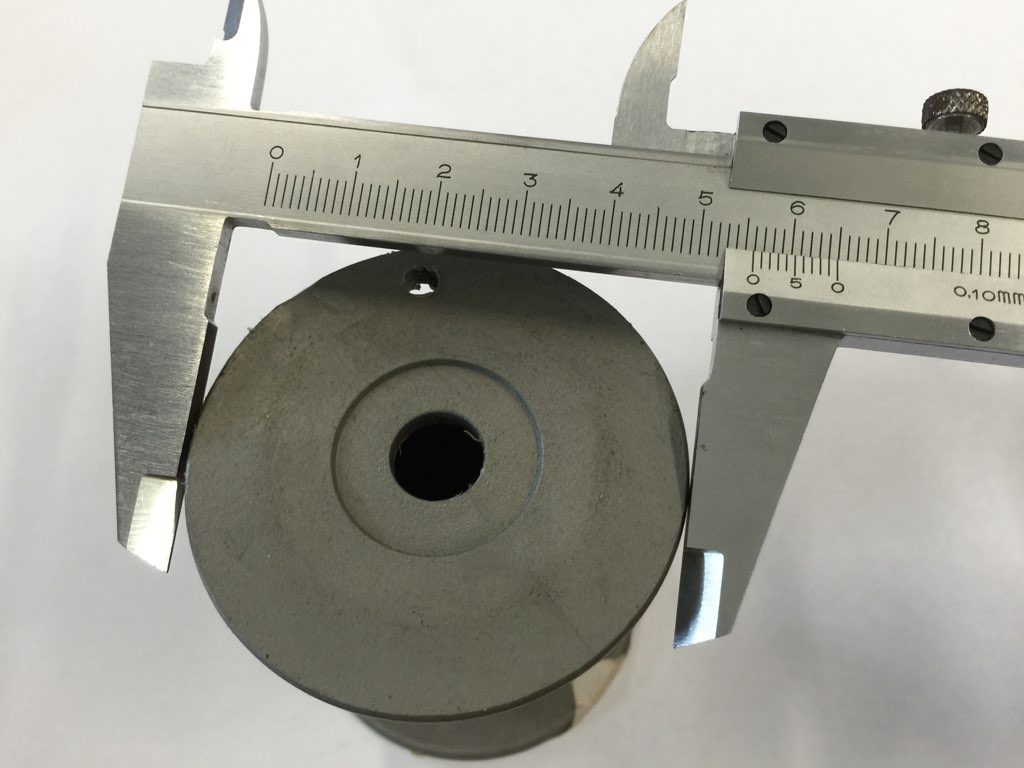
| Before moving to using digital callipers we used to use vernier callipers – so called because they have a main scale and a vernier scale.
Digital Callipers (which do not have a vernier scale) should not be referred to as Digital Vernier Callipers.
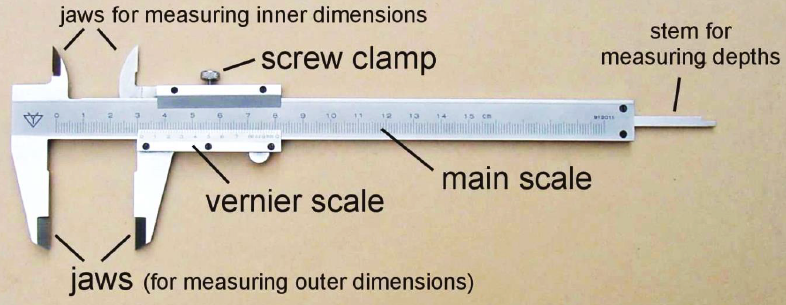
You are expected to be able to identify/name the major parts of the vernier callipers. ie main scale, vernier scale, internal jaws, external jaws, lock, depth gauge.
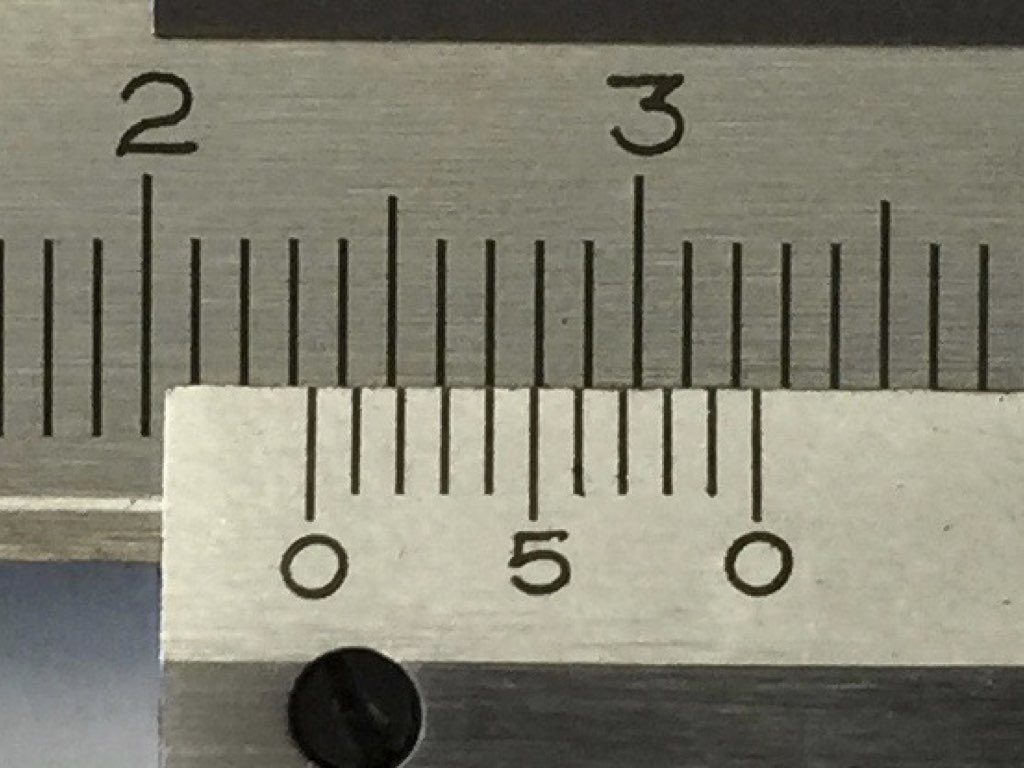
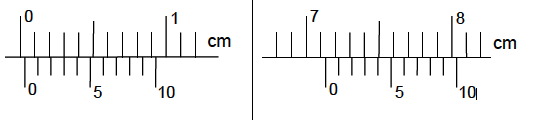
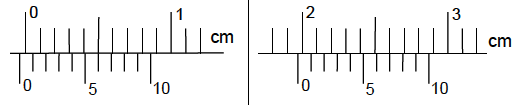
A close-up of the reading. The reading is 2.3_ cm from the main scale, with the final digit being ‘4’ from the vernier scale. Thus the reading is 2.34 cm.
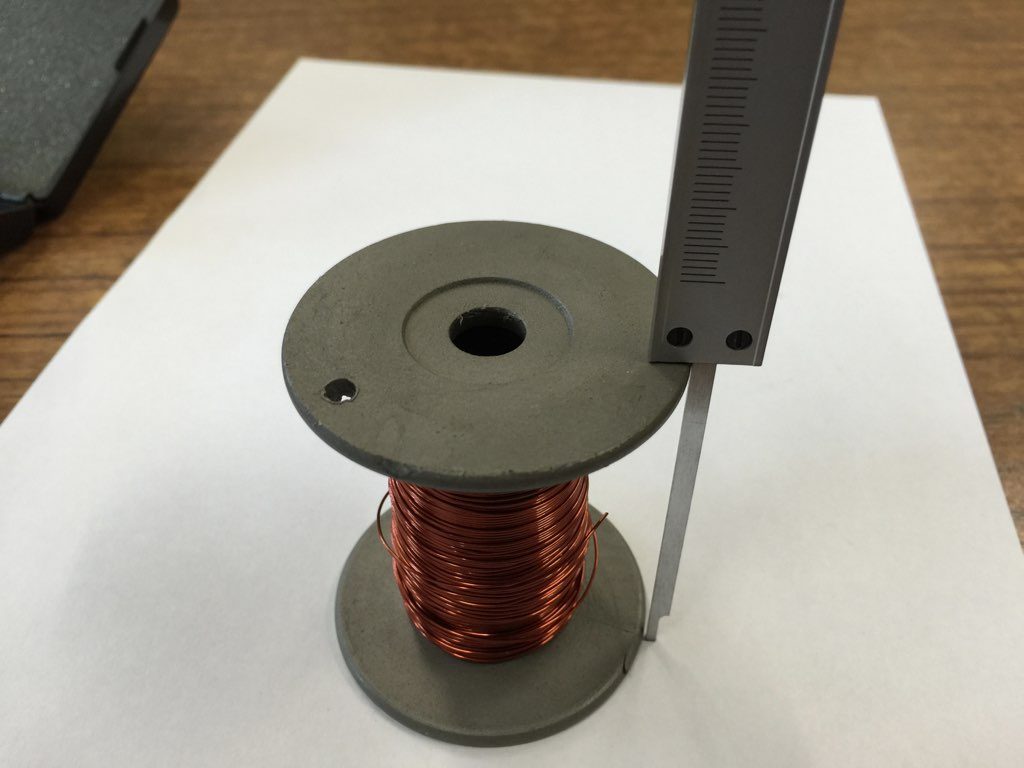
Here the ‘depth’ of an object is being measured.
This shows the external jaws being used correctly.
Precision of vernier callipers is 0.1 mm.
Recall (Corrected Reading) = (Observed Reading) − (zero error)
Note: we read the vernier scale backwards (from right to left) when we have negative zero errors.
|

| << Back | Measurement | Next >> |