Raw data are readings or measurements taken directly from an apparatus or measuring instrument. We MUST always measure to the highest precision that our instrument is capable of.
The table below shows some of the common apparatus and examples of readings with the appropriate units and precision.
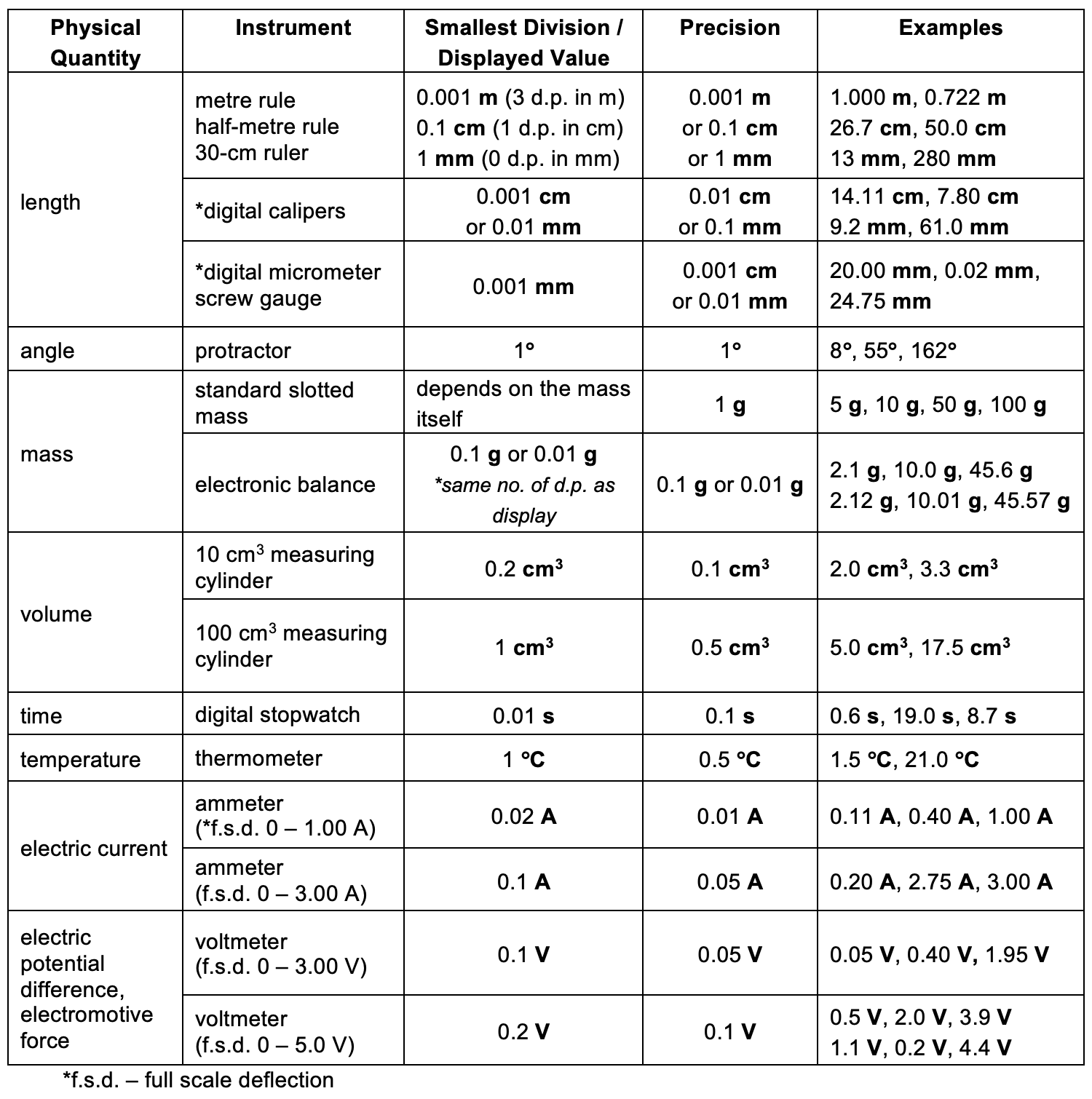
Don’t spend time to memorise this list. The above table can be simplified to this:
For the measurement of:
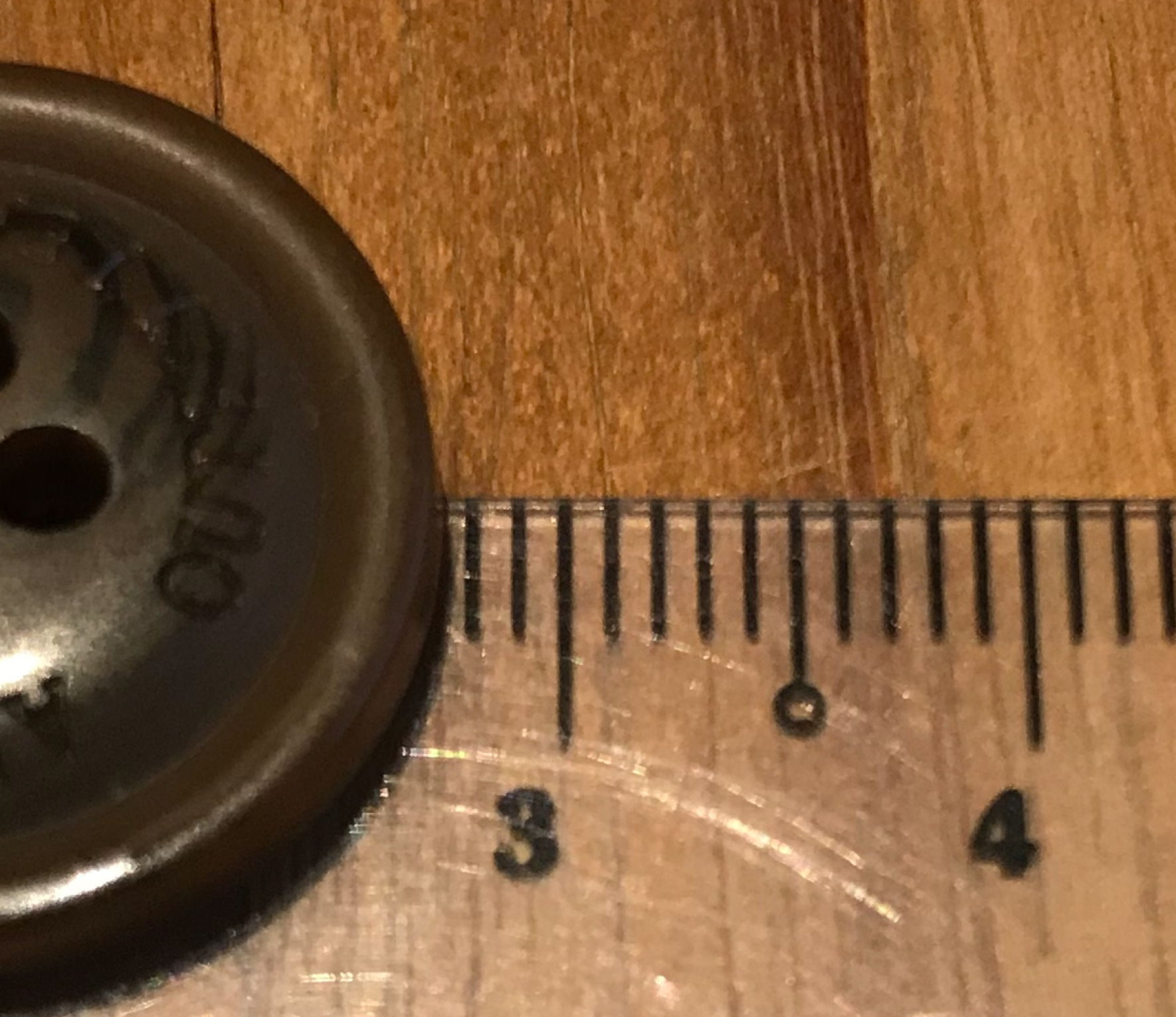
- length (using rule) & angle (protractor): precision = smallest division
- length (using *digital calipers & micrometer screw gauge): precision = 1 d.p. fewer than the digital display (the last digit is affected by the tool’s accuracy, not its resolution and is considered unreliable)
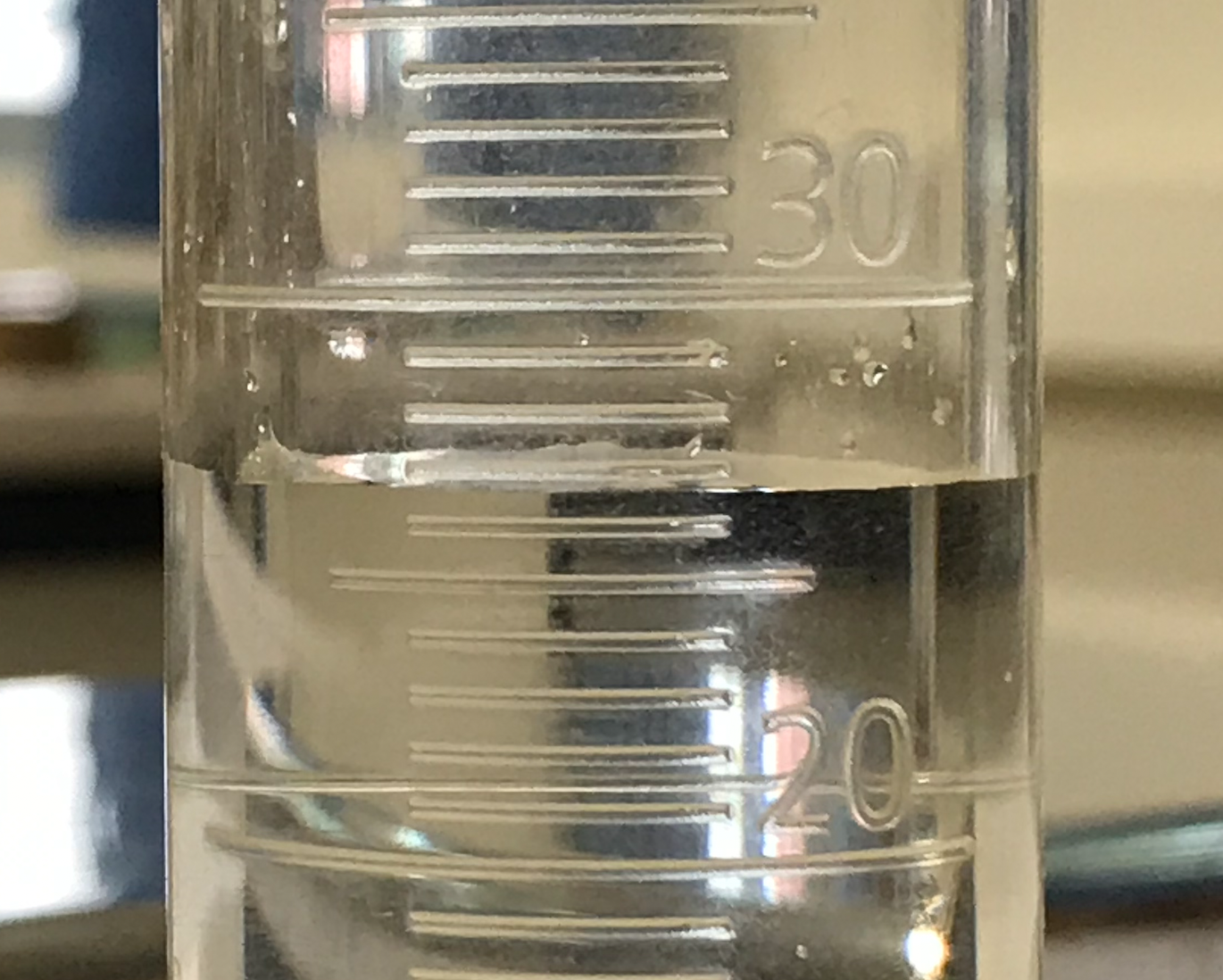
- volume, temperature & electrical quantities (by non-digital instruments): precision is ½ of the smallest division.
- mass (electronic balance): precision = same d.p. as the digital display
- stopwatch (started and stopped by hand): recorded to 1 d.p. to account for human reaction time.
| Example 1 |
|---|
| What is the reading shown on the following ammeter?
|
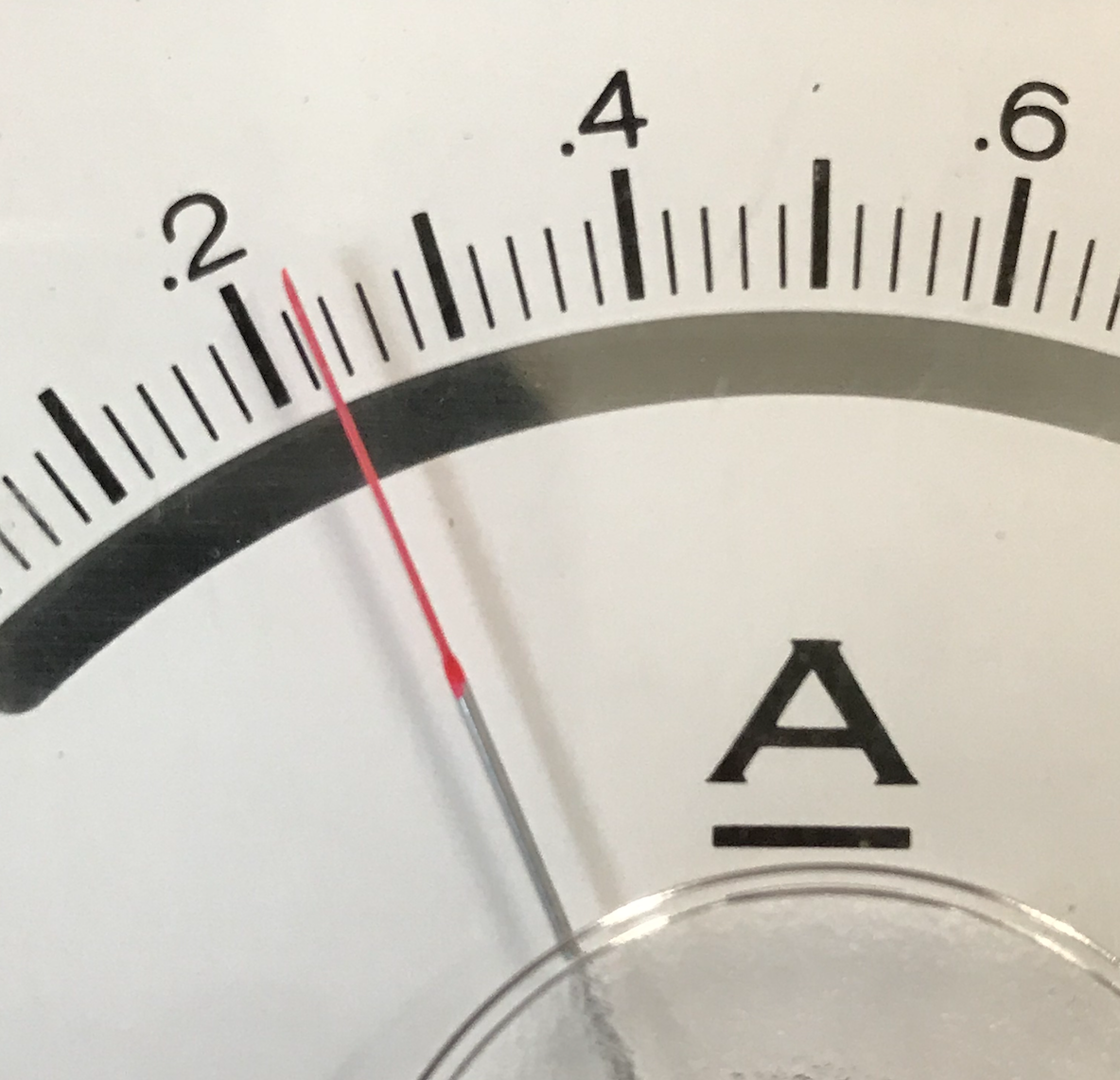
| Example 2 |
|---|
| What is the reading shown on the following protractor?
|
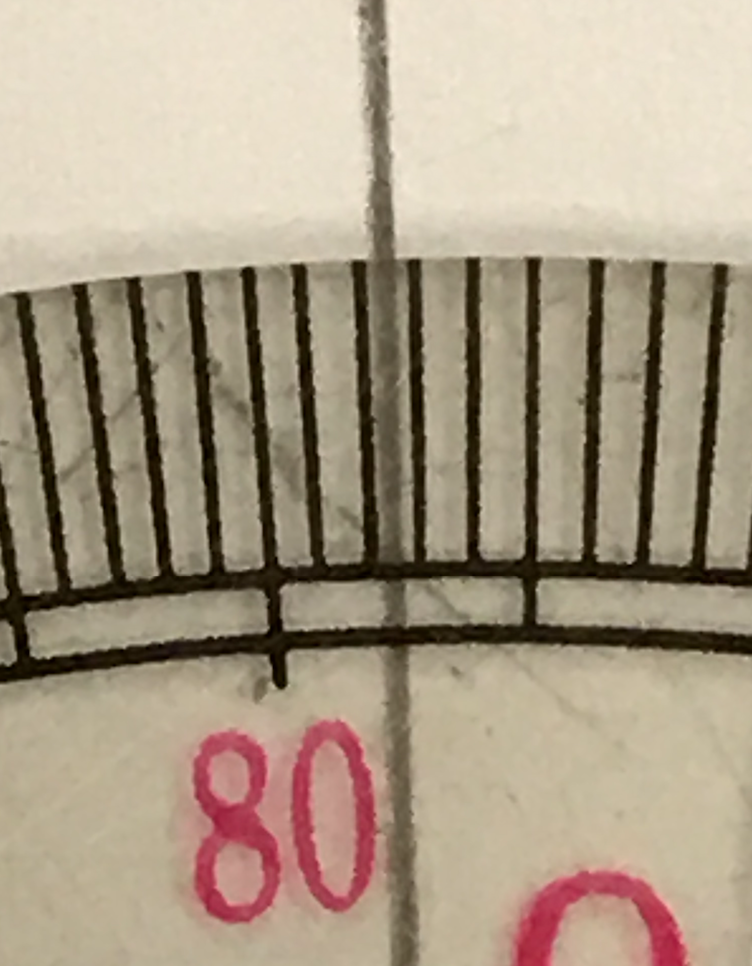
| Example 3 |
|---|
| What is the reading shown on the following electronic mass balance?
|
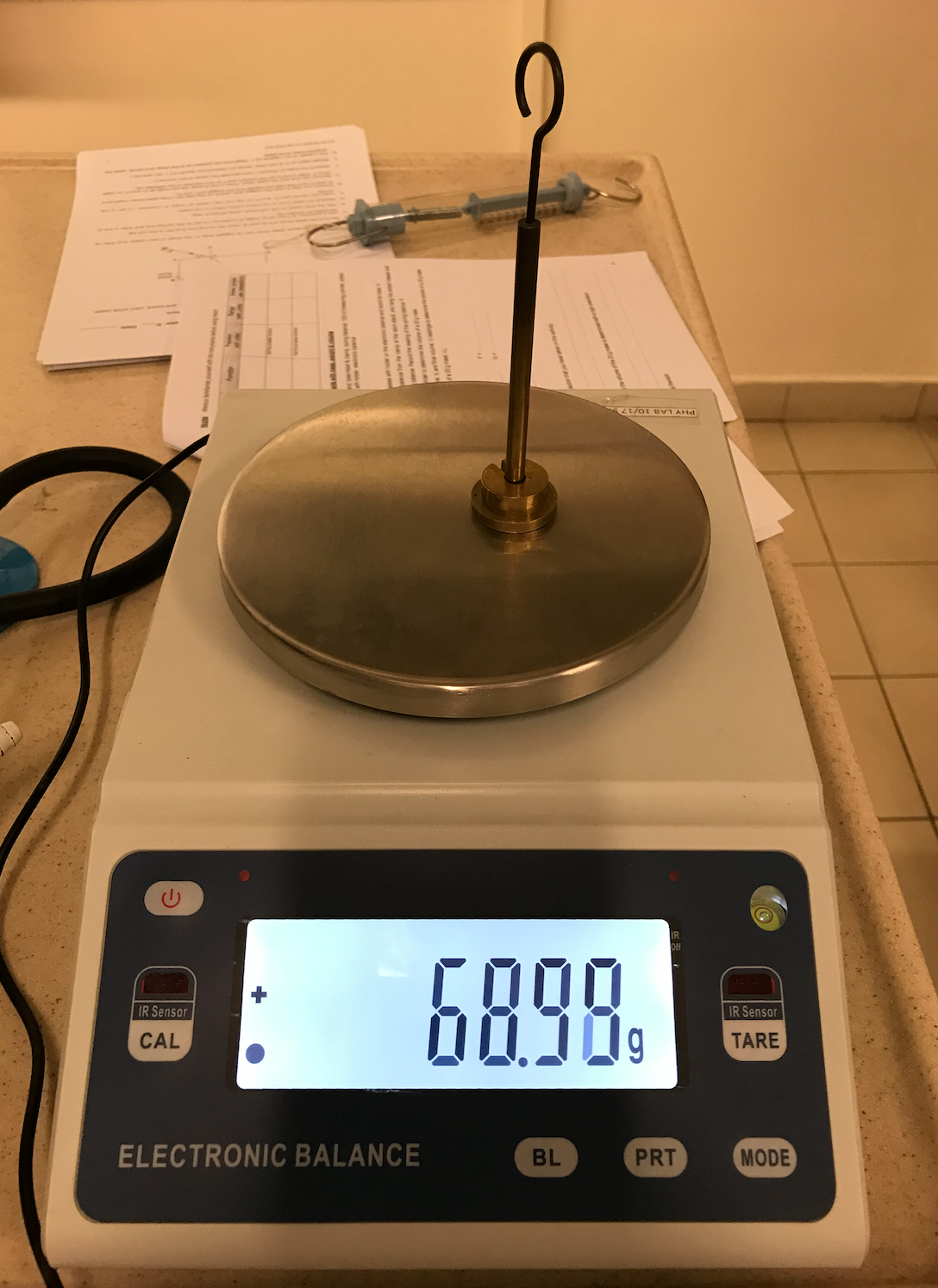
| Example 4 |
|---|
| What is the reading shown on the following ruler?
|
| Example 5 |
|---|
| What is the reading shown on the following measuring cylinder?
|
| Basics |